
How to Order Printing for the First Time
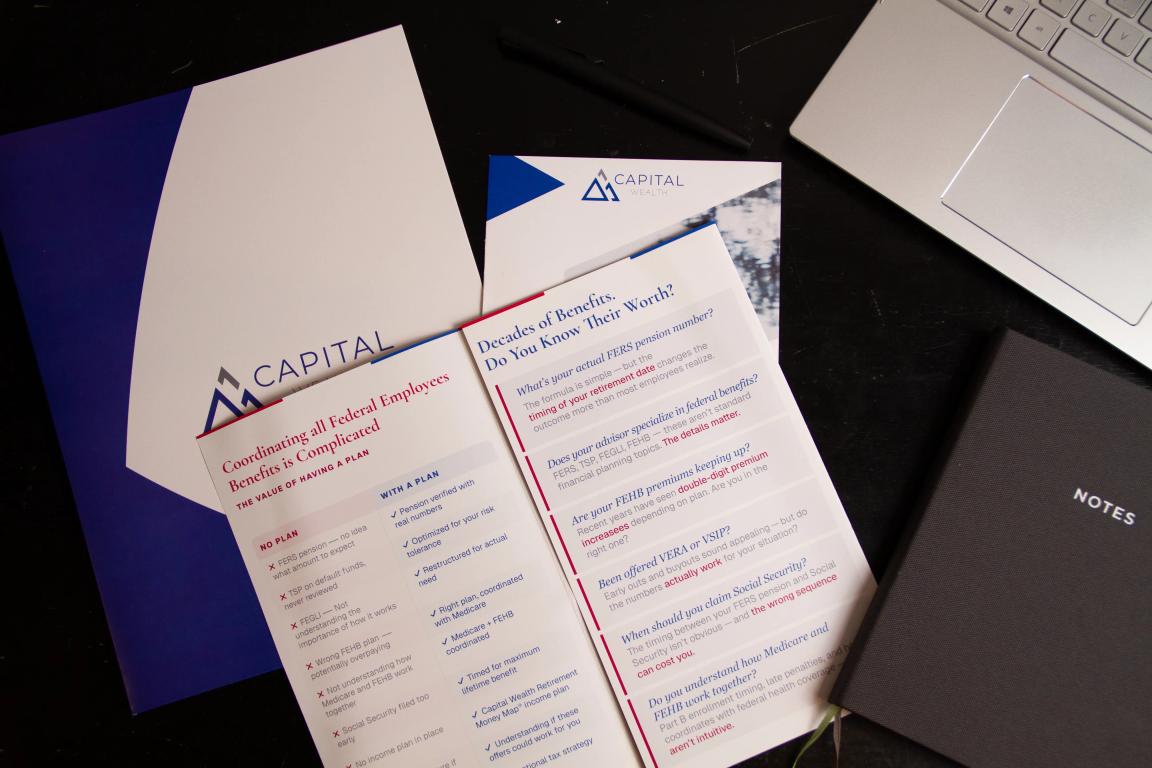
How to Order Printing for the First Time
Ordering printing for the first time can feel a little like walking into a hardware store with a problem you cannot quite name. You know what you need the finished piece to do, but suddenly someone is asking about stock, bleed, coatings, quantities, file setup, and deadlines.
The good news is that you do not need to arrive knowing all the answers.
A strong print project usually starts with something much simpler: a clear idea of what you are making, who it is for, and what needs to happen after someone sees it.
Start With the Purpose
Before you think about paper or finishes, think about the job the piece needs to do.
A postcard may need to bring someone back into a store. A brochure may need to explain a service clearly enough to support a sales conversation. A trade show display has to communicate from a distance. A product insert may need to guide someone through their first use.
Those situations call for different materials, formats, and production decisions.
This is also where a good printer becomes useful. You do not have to know the exact size, paper, or process yet. You just need to explain the audience, setting, deadline, and intended result. That gives the printer something meaningful to work from.
At Nuance Ink, we start with what the piece needs to accomplish, then help shape the production decisions around that goal.
Bring What You Know
When you are ready to request a quote, gather the details you already have.
That might include the type of piece, approximate quantity, preferred size, deadline, artwork status, and how the finished materials will be used. You may also know that the project needs to be mailed, delivered, installed, folded, bound, or personalized.
You may know that you need 500 brochures but have no idea which paper makes sense. You may have a finished design but be unsure whether the file is ready to print. You may only have a logo, copy, and rough idea of the layout.
Our team can help fill those gaps when we understand what is complete and what still needs direction.
Talk About Budget and Timing Early
Print pricing depends on the whole project, not just the quantity.
Size, material, number of pages, finishing, personalization, mailing, installation, and artwork preparation can all affect the final cost. Two pieces that look similar on screen may require very different production plans.
Request a quote. Sharing your budget can help our team focus the project on the details that matter most instead of adding complexity for its own sake.
The same applies to timing. Give the date the materials need to be in use, not only the day you hope to pick them up. Proofing, revisions, materials, finishing, delivery, and installation all take time, and early conversations create more room for better decisions.
Review the Quote and Proof Carefully
Once the project details are clear, our team can prepare a quote and recommend materials or production methods.
Ask what the quote includes. Depending on the project, services such as design support, file preparation, delivery, mailing, or installation may be quoted separately. Confirm what is included before giving approval.
After the quote is approved and the artwork is prepared, you will receive a proof. This is your chance to review the project before production begins.
Read it slowly.
Check names, dates, phone numbers, addresses, page order, image placement, folds, cuts, QR codes, and any personalized information. Ask someone else to review important pieces. Fresh eyes are surprisingly good at finding the mistake everyone else has stopped seeing.
Also ask what the proof is intended to show. Some proofs are meant to confirm content and layout. Others may help evaluate size, color, materials, or construction. A proof may not reproduce every final detail perfectly.
What Happens After Approval
Once you approve the proof, the project moves into production.
Printing is only one part of that process. The piece may also need to be cut, folded, bound, coated, mounted, assembled, addressed, packed, delivered, or prepared for installation.
This is where physical details start doing real work. A fold has to land correctly. A material has to suit its environment. A finish should support the design rather than compete with it.
At Nuance Ink, we pay close attention to those physical details because they shape how the finished piece looks, feels, and works once it enters the real world.
You Do Not Need to Become a Print Expert
Your first order will teach you a few new terms, but expertise is not the entry requirement.
Begin with the purpose. Bring the information you have. Be direct about your budget and deadline. Ask questions when something is unclear. Review the proof carefully.
The right print partner will help connect those decisions into a finished piece that works as intended and feels considered once it gets there.
Have a project in mind but do not know where to begin? Tell Nuance Ink what you are making, who it is for, and when you need it. We can help identify the next questions.
Still sorting through the details? These are some of the questions first-time customers ask most often.
Frequently Asked Questions
What do I need before contacting a print shop?
Start with the type of item you need, its purpose, approximate quantity, desired size, deadline, and any artwork or content you already have. You do not need to choose every material, finish, or production method before starting the conversation.
Do I need finished artwork before requesting a quote?
Not always. A preliminary quote may be possible when the basic project specifications are known. Design work, file preparation, revisions, and changes to the final format may affect the completed estimate.
What is a print-ready file?
A print-ready file is prepared to the correct dimensions and includes the technical elements needed for production. Depending on the project, those elements may include bleed, suitable image resolution, appropriate color settings, embedded fonts, and correctly arranged pages.
How far in advance should I order printing?
The right lead time depends on artwork readiness, proofing, quantity, materials, finishing, and any mailing, delivery, or installation requirements. Contacting the printer before the artwork is complete can help identify timing issues early.
What should I check on a print proof?
Review spelling, names, dates, contact information, page order, dimensions, image placement, folds, cuts, margins, personalized fields, QR codes, URLs, and finishing instructions. Approve the proof only after every important detail has been checked.
Why might the printed color look different from my screen?
Screens produce color with light, while printing uses ink or toner on a physical material. Screen settings, color mode, paper, coatings, and production method can all affect the final appearance.


