
Digital Printing vs. Offset Printing: Which Is Right for Your Project?
Digital Printing vs. Offset Printing: Which Is Right for Your Project?
Choosing the right printing method can affect the appearance, cost, turnaround time, and flexibility of a project. Digital and offset printing can both produce professional results, but each is better suited to different needs.
For businesses printing brochures, postcards, direct mail, event materials, or other marketing collateral, the right choice often comes down to quantity, customization, color requirements, timeline, and budget. At Nuance Ink, understanding these differences helps businesses select a printing solution that fits their specific project.
What Is Digital Printing?
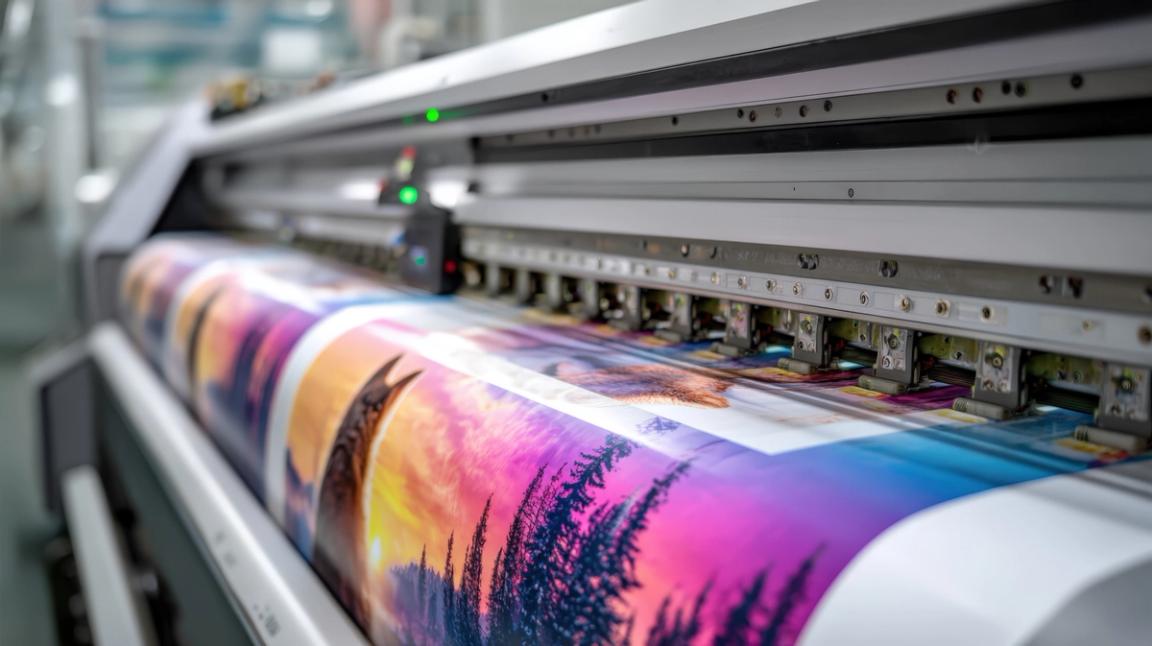
Digital printing transfers a digital file directly to a professional printing device without requiring traditional printing plates. With fewer setup steps, production can begin relatively quickly once artwork is prepared and approved.
This makes digital printing particularly useful for small and medium print runs. It also supports variable data printing, which allows certain information to change from one piece to another. Names, addresses, promotional codes, images, or other details can be personalized without creating an entirely separate print run.
For businesses producing targeted direct mail, event materials, personalized marketing pieces, or frequently updated collateral, this flexibility can be especially valuable.
What Is Offset Printing?
Offset printing uses printing plates to transfer ink onto a rubber blanket and then onto the final printing surface. Because plates and additional press preparation are required, offset printing generally involves more setup than digital production.
Once that setup is complete, however, offset presses can efficiently produce large quantities of identical materials. As the number of pieces increases, the initial setup costs are spread across a larger print run, potentially reducing the cost per piece.
Offset printing is therefore commonly considered for high-volume projects, especially when businesses need thousands of consistent copies.
Print Quality and Color Consistency
Both methods are capable of delivering high-quality professional printing.
Offset printing has traditionally been valued for fine detail, consistent reproduction, and precise color control. It can be particularly useful when a project requires specific spot colors.
Modern digital printing can also produce sharp text, detailed graphics, and vibrant imagery suitable for many business applications. For brochures, flyers, postcards, presentation materials, and similar projects, digital quality can meet demanding professional standards.
Businesses with strict brand color requirements should discuss their expectations with their printing provider. Paper selection, equipment, ink or toner, and file preparation can all influence the finished appearance.
Quantity and Overall Cost
Print quantity is one of the most important considerations when comparing digital and offset printing.
Digital printing typically has fewer upfront production requirements because printing plates are not needed. This can make it cost-effective for smaller quantities. Businesses can also order closer to the amount they actually need rather than producing excess materials to reach a more favorable per-piece price.
Offset printing involves greater initial setup, but it can become increasingly economical as quantities rise. For large runs of identical brochures, catalogs, postcards, or other materials, the cost per piece may decrease as more copies are produced.
There is no single quantity at which one method automatically becomes more affordable. Specifications such as size, paper, colors, finishing options, and turnaround time can also affect overall pricing.
Turnaround Time and Setup
When a project has a tight deadline, digital printing often provides an advantage.
Without the need to prepare printing plates, digital files can move into production more quickly. This makes the method useful for last-minute event materials, updated marketing collateral, short promotional campaigns, and projects where information changes frequently.
Offset printing requires additional preparation before the full run begins. Plates must be created, the press configured, and colors adjusted as necessary.
For a large project planned well in advance, that extra setup may be worthwhile. For a smaller project needed quickly, digital printing may offer greater efficiency.
Customization and Personalization
One of digital printing's strongest advantages is its ability to support variable information.
For example, a direct mail campaign could include a different recipient name or address on every postcard. Event badges could contain individual attendee details, while promotional materials could feature different offers for different customer groups.
Digital production can also make it easier to print several versions of a design in smaller quantities.
Offset printing is generally more efficient when every piece contains the same content. If thousands of identical materials are required, its production advantages become more relevant.
When Is Digital Printing the Better Choice?
Digital printing may make sense for projects involving:
- Small or medium print quantities
- Short turnaround times
- Personalized or variable information
- Frequently updated materials
- Multiple versions of a design
- Test runs before committing to larger quantities
A business launching a targeted campaign, preparing materials for an upcoming event, or updating promotional messaging may benefit from the flexibility digital printing provides.
When Is Offset Printing the Better Choice?
Offset printing may be advantageous for:
- High-volume print runs
- Thousands of identical pieces
- Specialized spot colors or inks
- Projects planned with sufficient production time
- Large runs where reducing the cost per piece is important
Businesses producing established marketing materials that are unlikely to change may find offset printing particularly efficient.
Choosing the Right Printing Method
Digital and offset printing serve different purposes. Digital printing offers speed, flexibility, personalization, and efficient short-run production. Offset printing can provide advantages for high-volume projects, precise color requirements, and large quantities of identical materials.
The right choice depends on the project's quantity, timeline, design, customization needs, quality expectations, and budget.
Nuance Ink helps businesses evaluate these factors and determine an appropriate production approach. By considering the complete project rather than focusing on a single factor such as price or quantity, businesses can choose a printing method that delivers professional results while making efficient use of their time and resources.


