
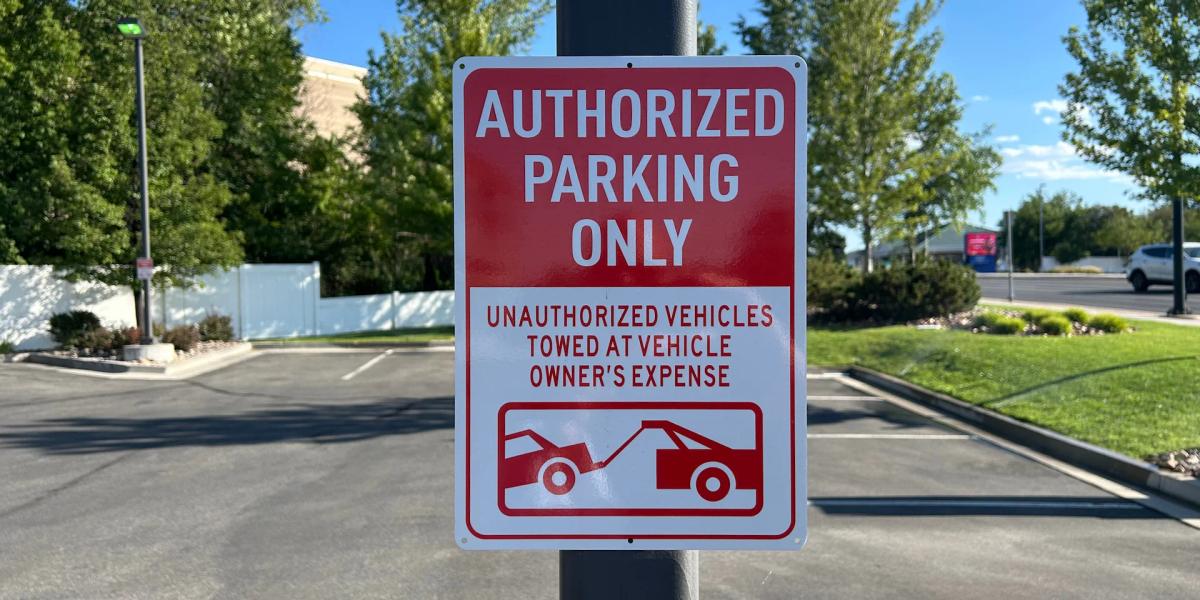
Aluminum Signs
Some signs need to do more than make a first impression. Aluminum gives signage a crisp, substantial presence without adding unnecessary weight, with a rigid structure that holds its shape over time. Strength matters. So does how it looks.
Some Signs Need to Do More Than Make a First Impression
Have a question? Let's talk about it.
Fast & Ready
I know what I need. I am ready to make an order quickly.
Order NowBe Remembered
I want something that earns another look and leaves a lasting impression.
Explore IdeasManage at Scale
I need a better way to manage printing for my team.
Print Portal
Don’t Have Your Files?
We can recreate your existing design from either a photo, previous print or partial file.
The Best Approach Depends on What the Sign Needs to Accomplish
Thickness, finish, mounting, scale, and exposure all influence how the sign should be produced.
A Roadside Directional Sign Requires Different Decisions Than a Lobby Logo
- Application — common applications include building signs, directional signs, dimensional letters and logos, post-and-panel signs, lobby displays, and industrial signage.
- Indoor vs. outdoor use — aluminum is frequently used for exterior signs because it is strong, lightweight, and resistant to rust, and also works well for lobby signs and indoor dimensional elements.
- Finish — depending on the project, aluminum may have a smooth, painted, brushed, reflective, or anodized appearance, with the right finish depending on brand, lighting, and desired contrast.
- Fabrication — aluminum can be cut, routed, drilled, layered, and fabricated into custom shapes that support the sign's design and installation.
- Installation — installation needs depend on the size, weight, mounting surface, location, and sign structure, with professional installation often recommended for building signs and exterior applications.