
Manuals & Catalogs
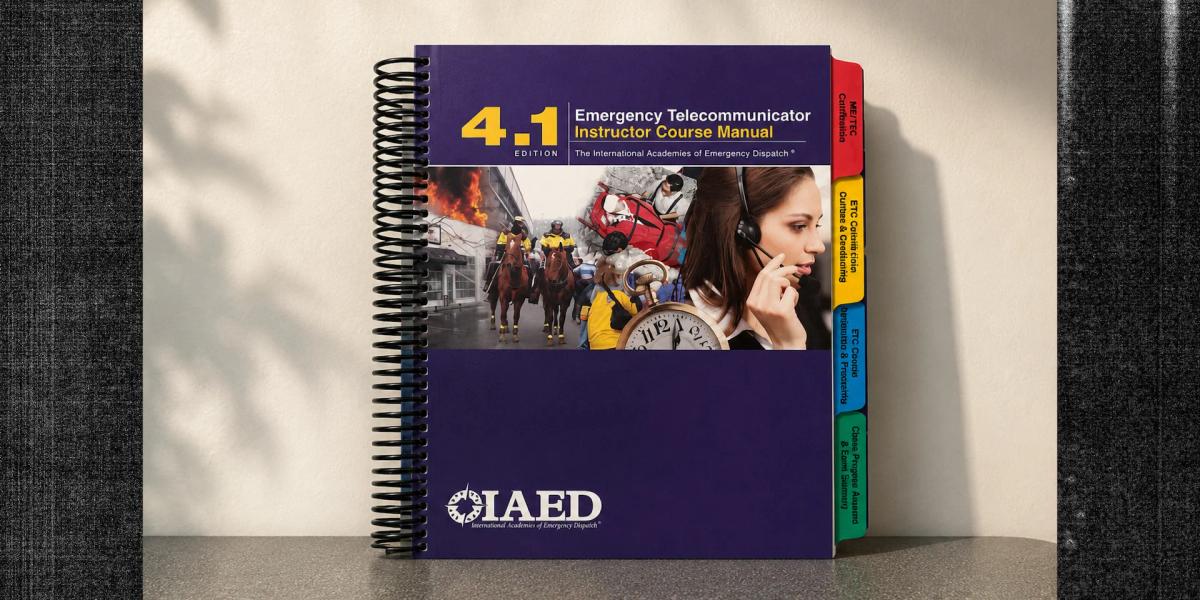
A useful document has to survive actual use. Manuals, catalogs, handbooks, guides, and reference documents are often opened again and again — page count, binding, tabs, paper, and cover durability all affect how the piece functions. A document people rely on should feel reliable in their hands.
A Useful Document Has to Survive Actual Use
Have a question? Let's talk about it.
Fast & Ready
I know what I need. I am ready to make an order quickly.
Order NowBe Remembered
I want something that earns another look and leaves a lasting impression.
Explore IdeasManage at Scale
I need a better way to manage printing for my team.
Print Portal
Don’t Have Your Files?
We can recreate an existing design from either a photo, previous print or partial file.
A Document People Rely On Should Feel Reliable in Their Hands
Page count, binding, tabs, paper, cover durability, and size all affect how the piece functions.
Manuals and Catalogs Are Built Around Usability
- Binding method — common options include coil, wire-o, comb, saddle stitching, perfect binding, and hardcover formats, and the best binding depends on page count, frequency of use, durability needs, and how easily the document should open.
- Page count and format — a field manual, product catalog, employee handbook, price book, and franchise guide each call for a different approach.
- Tabs and organization — tab dividers can make longer documents easier to navigate, with options including printed tabs, mylar-coated tabs, and custom section organization.
- Paper and cover durability — paper choice depends on handling, page count, readability, durability, and budget, and a training manual, a premium catalog, and a field guide may each call for different paper and cover decisions.
- Added features — manuals and catalogs may include inserts, section dividers, foldout pages, pockets, laminated sheets, or other features that support the way the document will be used.
Manuals & Catalogs Q&A"
Frequently Asked Questions
What types of manuals can you print?
We print training manuals, field manuals, employee handbooks, user guides, installation manuals, service manuals, policy manuals, franchise operations guides, course materials, and other reference documents.
What types of catalogs can you produce?
We can help produce product catalogs, sales catalogs, price books, lookbooks, course catalogs, brand catalogs, parts catalogs, and other printed documents used to present organized information.
What binding options work best for manuals?
Common options include coil, wire-o, comb, saddle stitching, perfect binding, and hardcover formats. The best binding depends on page count, frequency of use, durability needs, and how easily the document should open.
Can you print manuals that lie flat?
Yes. Coil, wire-o, and some other binding methods allow documents to lie flat, which is useful for training, technical instructions, workbooks, field guides, and reference materials used hands-free.
Do you offer tab dividers for manuals and catalogs?
Yes. Tab dividers can make longer documents easier to navigate. Options may include printed tabs, mylar-coated tabs, and custom section organization based on the document structure.
Can you help with layout and file preparation?
Yes. Manual and catalog files often need careful attention to margins, page numbering, section breaks, image quality, tables, tabs, and binding allowances. Our team can review files and help prepare them for production.
What paper should I use for a manual or catalog?
Paper choice depends on handling, page count, readability, durability, and budget. A training manual, a premium catalog, and a field guide may each call for different paper and cover decisions.
Can manuals include inserts, foldouts, or pockets?
Depending on the project, manuals and catalogs may include inserts, section dividers, foldout pages, pockets, laminated sheets, or other features that support the way the document will be used.
What should I consider before ordering manuals?
Start with page count, quantity, deadline, binding preference, use environment, durability needs, update frequency, and distribution method. Those details help determine the most practical production approach.