
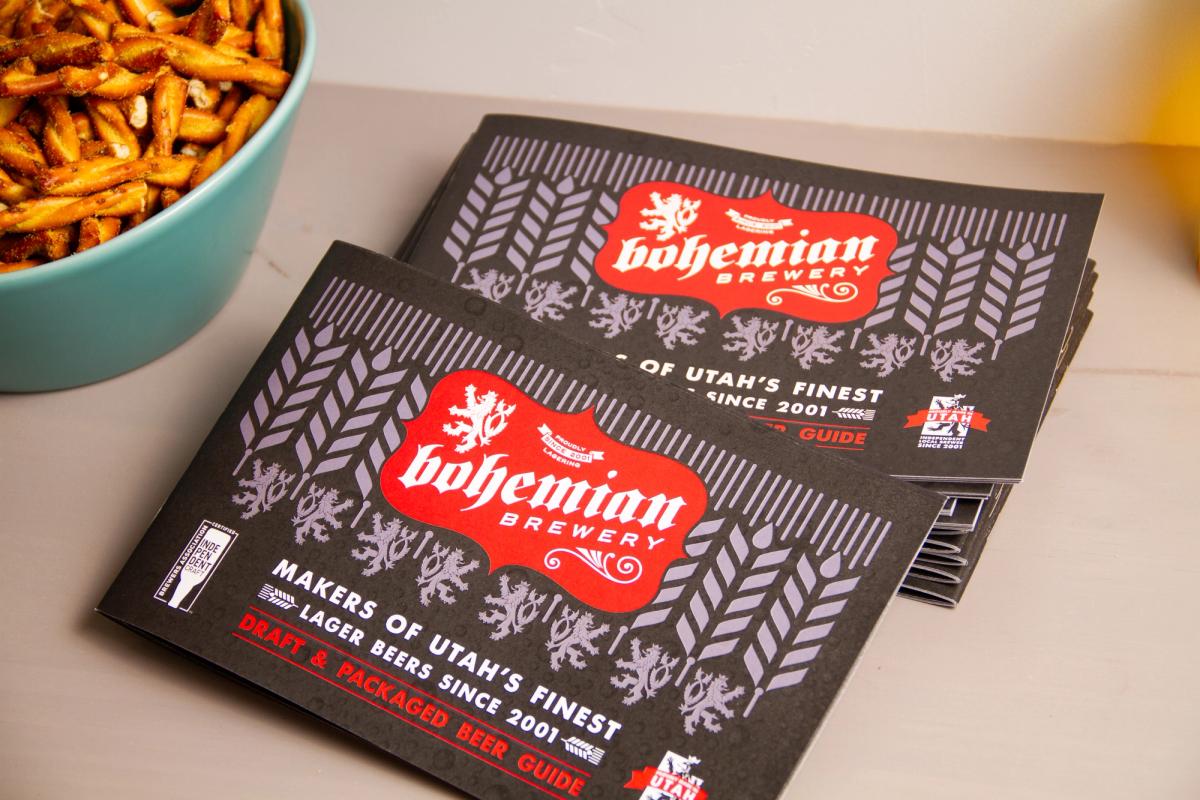
Brochures & Booklets
Some stories need more room than a single sheet can give. Brochures and booklets help businesses explain, introduce, sell, teach, and present with more structure — supporting a sales conversation, introducing a product, guiding a donor through an impact story, showcasing a portfolio, or giving event attendees something useful to keep. The strongest pieces feel planned from the first panel to the final page, where size, fold, page count, paper, binding, and visual hierarchy all shape how naturally someone moves through the information. A printed piece should make the message easier to enter.
Some Stories Need More Room Than a Single Sheet Can Give
Have a question? Let's talk about it.
Fast & Ready
I know what I need. I am ready to make an order quickly.
Order NowBe Remembered
I want something that earns another look and leaves a lasting impression.
Explore IdeasManage at Scale
I need a better way to manage printing for my team.
Print Portal
Don’t Have Your Files?
We can recreate your existing design from either a photo, previous print or partial file.
How the Reader Moves Through the Piece Should Guide the Format
A folded brochure needs panels that open in the right order. A booklet needs page flow, readable margins, and a binding approach that fits the way it will be used.
A Sales Catalog, Event Program, and Community Guide May Look Similar at a Glance, but They Solve Different Communication Problems
- Format — common brochure formats include bi-fold, tri-fold, gate fold, accordion fold, rack cards, and flat multi-panel pieces, with the right choice depending on how much information the piece needs to hold and how the reader should move through it.
- Binding — booklet binding may include saddle stitching, coil, wire-o, perfect binding, and other options depending on page count, budget, use, and presentation goals, matched to the way the piece will be handled.
- Paper — some projects need a lightweight, practical stock for broad distribution, while others benefit from a heavier cover, textured paper, or finish that gives the piece more presence.
- Design support — layout, typography, image placement, page flow, format planning, and file preparation all matter most when the content needs to feel organized rather than simply placed on pages.
- Mailing — many brochures and booklets can be mailed, but size, weight, fold, binding, envelope choice, and addressing method can affect production and postage, so distribution should be discussed early.
- Quantity — small runs can work well for targeted use, while larger runs may reduce unit cost for broad distribution, with format, paper, binding, and finishing all shaping the total.
- Project inputs — audience, purpose, rough content, desired size, quantity, deadline, brand assets, images, and distribution method are useful starting points, and the format can be narrowed before design begins if some details are undecided.
Brochures and Booklets Q&A
Frequently Asked Questions
What is the difference between a brochure and a booklet?
A brochure is usually a folded or compact printed piece designed to explain a product, service, organization, or offer. A booklet has multiple pages and gives the content more room, making it useful for catalogs, programs, guides, portfolios, and informational documents.
What brochure formats can you print?
Common brochure formats include bi-fold, tri-fold, gate fold, accordion fold, rack cards, and flat multi-panel pieces. The best format depends on how much information the piece needs to hold and how the reader should move through it.
What booklet binding options are available?
Booklet binding may include saddle stitching, coil, wire-o, perfect binding, and other options depending on page count, budget, use, and presentation goals. We can help match the binding to the way the piece will be handled.
Can you help design a brochure or booklet?
Yes. Our team can help with layout, typography, image placement, page flow, format planning, and file preparation. Design support is especially useful when the content needs to feel organized rather than simply placed on pages.
What paper should I use for brochures and booklets?
Paper choice depends on the role of the piece. Some projects need a lightweight, practical stock for broad distribution. Others benefit from a heavier cover, textured paper, or finish that gives the piece more presence.
Can brochures and booklets be mailed?
Yes. Many brochures and booklets can be mailed, but size, weight, fold, binding, envelope choice, and addressing method can affect production and postage. Mailing should be discussed early if distribution is part of the plan.
What should I prepare before starting a brochure project?
Helpful starting points include audience, purpose, rough content, desired size, quantity, deadline, brand assets, images, and distribution method. If some details are still undecided, we can help narrow the format before design begins.
Are brochures still useful for sales teams?
Yes. A well-made brochure gives sales teams a consistent tool to leave behind after a conversation. It can summarize key information, support credibility, and help prospects revisit the message later.
What quantities can you print?
Quantity depends on format, paper, binding, finishing, and production method. Small runs can work well for targeted use, while larger runs may reduce unit cost for broad distribution.